
Recovering After Your LPN Shifts
Shifts for licensed practical nurses (LPNs) can be very rewarding, but they can also be draining at times. Some days are harder than others, some bring unforeseen challenges, and some leave you feeling exhausted.
With the ups and downs that can come with working in healthcare, you’ll want to take extra care to recover after your LPN shifts. Recovery supports your mental and physical well-being after long days and can help you prepare for your next shift so you can provide the best possible care for your patients.
Read on to explore tips for decompressing, fueling your body, sleeping, practicing self-care, and developing a routine.
Decompress
After your shift has ended, take time to decompress. This looks different for every person, but may include:
-
Journaling: You can write about your day, things you learned, your feelings, or anything else on your mind.
-
Mindfulness: Mindfulness helps you practice being present, and it can be especially helpful after a chaotic day where you haven’t had much time to pause.
-
Music: Music is great for relaxing and getting to a positive headspace. Try instrumental music and slow songs when you’re looking to decompress.
-
Outside time: Spending just a little bit of time outside can go a long way for your mental health.
-
Podcasts: If you enjoy podcasts, you can listen to them on your drive back from your shift or once you arrive home.
Fuel Your Body
Nutrition is key, both during and after a physically and mentally strenuous day. But as a working LPN, it’s normal to feel tired after many hours of hard work, which can make it harder to cook your own meals.
To set yourself up for success, meal prep whenever you can. Just an hour or two of prep can set you up for a packed week ahead. And when you aren’t able to prepare meals in advance, you can also find quick, easy recipes for those nights when you don’t have the energy to cook for a long time. Aim for balance with food, and remember that prioritizing protein and whole foods is a great rule of thumb for feeling your best.
Hydration is also very crucial to your health and important for recovery. Make sure you’re drinking enough both during and after your shifts.
Sleep
When you don’t get enough sleep, it can negatively impact your mental state and physical health, making it harder to function.
To build the habit of making sleep a top priority, try to go to bed and get up at roughly the same times each day. This can make it easier for you to fall asleep and prevent you from tossing and turning at night. Though your shift times might vary day by day, do the best you can with the schedule you have.
It’s also helpful to turn off electronics before bed, practice relaxing activities, and make your room as cozy as possible to support a good night's sleep.
Practice Self-care
Self-care doesn’t have to be complicated or tiring. Just choose one or a few things that make you feel like your happiest, healthiest self, and try to do them every night that you can.
Self-care outlets can look like:
-
Physical outlets: Physical activity is a wonderful way to unwind. Whether you enjoy light exercise like walking and yoga or more intense activities like working out and running, exercise is one way that you can practice self-care.
-
Mental outlets: Watching movies and reading are great methods for unwinding after a long day. You might also practice a creative hobby, such as painting or sewing.
-
Social outlets: If you have extra time and energy, call a friend, attend a fun event, or try out a team sport. For extroverts, spending time with people is important for recharging.
Develop a Routine
Some healthcare workers find that establishing a routine for when their shift ends can be positive for their well-being. It gives you something to look forward to throughout your day, and it promotes consistency in your life. Routine can also make healthy habits become automatic for you the more that you practice them, and it can lower your stress levels as well.
Nighttime routines are unique to everyone, but you can implement whichever self-care practices make the most sense for you into this routine and create peaceful, cozy nights for yourself to rest and recharge.
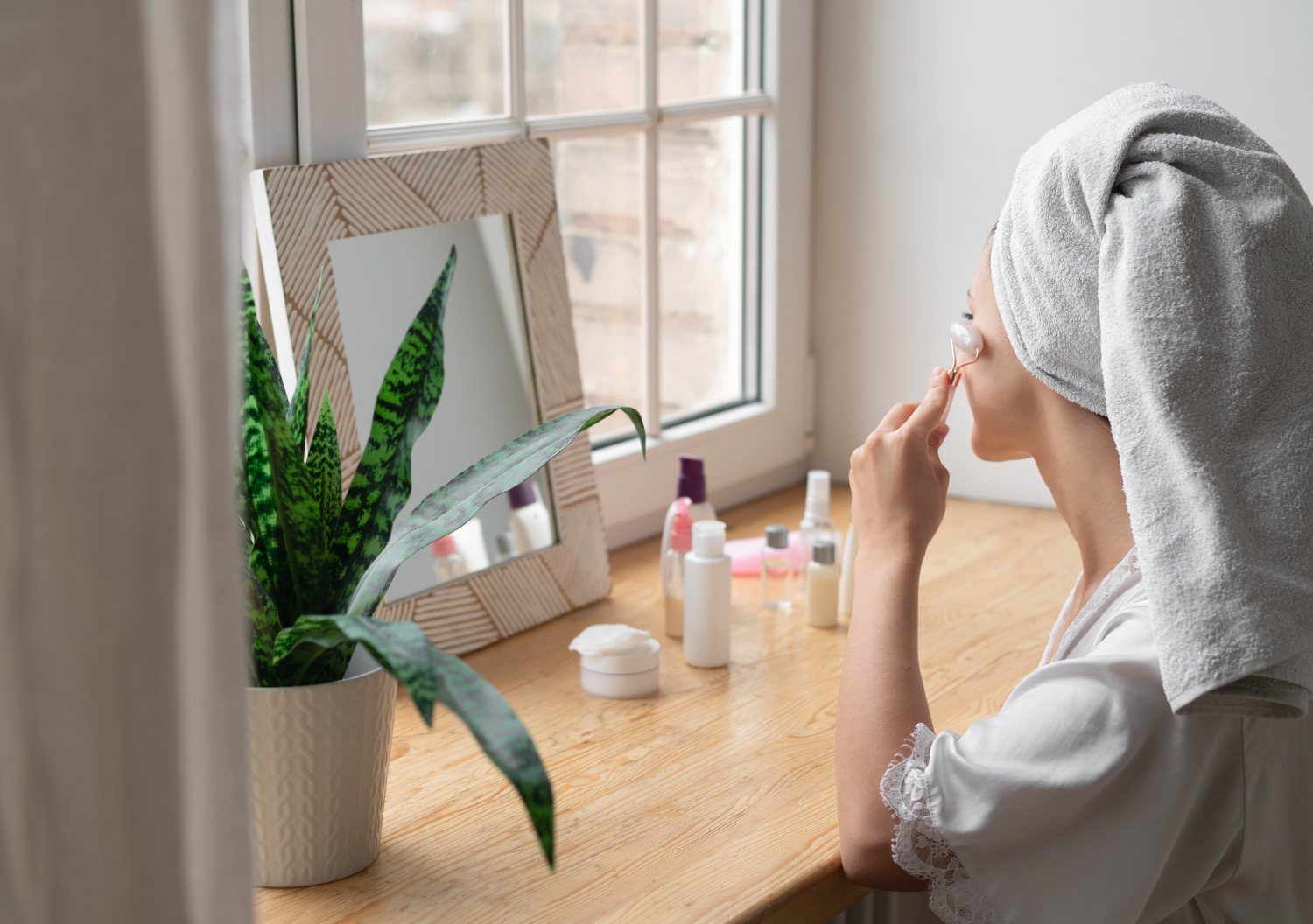
For example, your routine might look something like this: once your shift ends, you listen to your favorite songs on the drive home. After that, you go for a quick stroll outside and practice mindfulness as you walk. Next, you take a shower, put on a face mask, and change into comfy clothes. Then, you enjoy a nutritious meal-prepped dinner while watching a movie. As bedtime approaches, you put your phone away for the night and read until it’s time to fall asleep.
IHI LPN Scholarship Opportunities
Idaho Healthcare Institute (IHI) is a partner of the College of Eastern Idaho (CEI). It’s our goal to offer the funding, resources, and facilities that nursing students need.
IHI offers LPN scholarship opportunities for those who are applying for the LPN program at CEI. This program offers classroom instruction, hands-on experience, and clinical work to equip you for your field.
Resources for LPNs
We would love to contribute to your nursing journey. Our team understands the hard work that nursing programs require, and we’re here to offer support and assistance throughout your academic experience.
Contact us today to learn more about our LPN scholarship.