
Essential Skills Every Successful LPN Needs
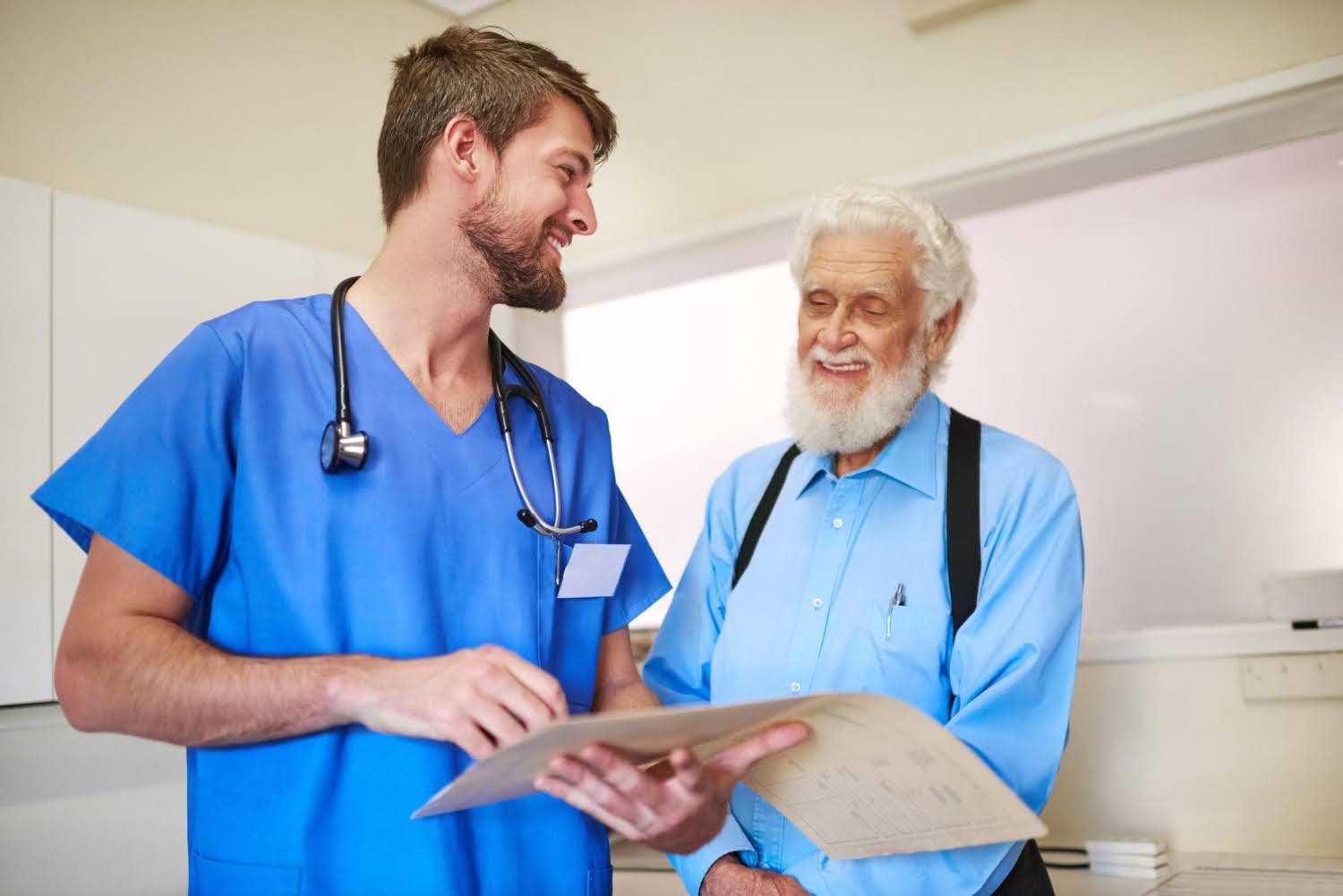
Licensed practical nurses are medical professionals who assist with patient care. Commonly referred to as LPNs, they are supervised by registered nurses (RNs) or doctors, and their role heavily involves interacting with patients and their families, as well as performing basic nursing responsibilities.
To excel in this position, you should have extensive clinical skills, knowledge of medical equipment, and a set of soft skills. While medical expertise is needed, learning how to offer compassion and comfort to patients is just as important. All of these skills combined equip LPNs to provide quality care, offer support, and create positive patient experiences.
Core Clinical Skills
Every LPN should have a solid set of clinical skills so that they are prepared to assist other healthcare professionals in treating patients. These clinical skills include both supportive tasks and hands-on patient care.
Fundamental clinical skills for licensed practical nurses include:
-
CNA supervision: You might be required to oversee certified nursing assistants (CNAs) as they perform certain tasks.
-
Daily task assistance: LPNs carry out everyday responsibilities, such as preparing meals for patients and assisting them with personal care.
-
Medication administration: Doctors or RNs might direct you in administering patient medications.
-
Tests: Some of your tasks may include collecting blood or urine samples for lab tests.
-
Vital sign monitoring: Perhaps one of the most essential responsibilities of an LPN is monitoring vital signs, which includes blood pressure, temperature, and pulse.
-
Wound care prevention: As an LPN, you will also dress and clean wounds as needed.
Medical Equipment Knowledge
When performing these tasks, LPNs use various types of equipment, tools, and infection control practices. You will need to be well-trained on all of these so that you can safely assess and treat patients.
Here are some forms of equipment that you will need to be familiar with as an LPN:
-
Assistive devices: An understanding of devices for patient transfer and mobility, like walkers or wheelchairs, is necessary.
-
Clinical equipment: As an LPN, you must be familiar with clinical equipment, such as IV equipment, injection equipment, infusion pumps, oxygen delivery systems, wound care supplies, and more.
-
Diagnostic equipment: You will also need to have extensive knowledge of diagnostic equipment, such as blood glucose meters and the equipment needed for vital signs measurement.
-
Life support equipment: There may be instances where you assist in medical emergencies and use life-saving equipment like automated external defibrillators.
-
Monitoring devices: Cardiac monitors and pulse oximeters are two common devices for monitoring patients.
-
Safety equipment: A crucial aspect of treating patients is maintaining a safe and sterile environment, and personal protective equipment helps to ensure this.
Soft Skills
Soft nursing skills help you to connect with patients, thrive in fast-paced environments, work well with your team, and remain flexible and steady even when the unexpected comes your way.
Important soft skills that every LPN should have include:
-
Active listening: Learning to listen both to those above you and to your patients is a great skill to have. The better you are at listening, the more equipped you are to provide the best care possible.
-
Adaptability: You must be able to adapt to changes in a patient’s condition, new discoveries or developments, and the unpredictability of each day.
-
Effective communication: This skill applies when speaking to RNs, CNAs, other coworkers, patients, and families. In medical environments, circumstances can change very quickly. Relaying information in a calm and timely manner is helpful in every instance, and it is especially necessary when dealing with medical emergencies.
-
Empathy and compassion: Patients are often scared, in pain, or experiencing discomfort when they come in. Treating them with kindness and being willing to see things from their perspective can help them through the experience and give them comfort when they need it most.
-
Time-management: Another skill you will learn is how to best use your time. It takes practice to understand how to balance multiple things at once while still providing excellent care.
-
Problem-solving: In any medical setting, problem-solving skills are imperative. Not every case will look the same, and combining each patient's unique circumstances with the medical knowledge you have can help you find solutions.
-
Patience: It is important to stay patient regardless of how someone is behaving. You might see the worst of people at times, and you must remain steady and consistent.
-
Teamwork: Working smoothly with others is a fundamental part of your position and will help you contribute positively to the work environment for everyone.
Support for Aspiring LPNs
At the College of Eastern Idaho (CEI), the LPN program is designed to help you achieve your goals at an accelerated pace. This three-semester program provides you with knowledge and hands-on experience so you can thrive when you enter your field.
As you work toward becoming an LPN, the right resources can give you the momentum you need to launch yourself toward your future career. Idaho Healthcare Institute (IHI) works with CEI to help medical students access opportunities and resources that support their journeys. We are thrilled to offer an LPN scholarship so that we can contribute to the educational path of aspiring LPNs.
Contact Idaho Healthcare Institute Today
We know that mastering the clinical skills and soft skills that make a great LPN involves a great deal of hard work and dedication. At IHI, we would love the chance to support you and play a part in your healthcare career.
Reach out today to learn more about how we can help you on your way to becoming a licensed practical nurse.